
Understanding In-Toeing: What Parents Need to Know
What is In-Toeing?
Ever noticed your little one walking with their toes turned inward instead of pointing straight ahead? That’s called in-toeing (or being pigeon-toed), and it’s super common in kids! It happens when the alignment of the hips, knees, or feet causes the feet to turn inward. Most of the time, it’s totally harmless and sorts itself out by ages 6-7. But sometimes, kiddos need a little extra support to fine-tune their movement and balance.
Causes of In-Toeing
In-toeing can result from different developmental factors, including:
- Metatarsus Adductus: A curved foot shape present at birth
- Tibial Torsion: The shinbone twists inward
- Femoral Anteversion: The thigh bone rotates inward at the hip
When to Seek Help
Most doctors say, “Let’s wait and see!”—and honestly, that’s often okay because in-toeing usually sorts itself out over time. BUT if your kiddo has been walking like a champ for three months or more and keeps tripping, falling, or complaining about pain, it might be time to check in with a pediatric physical therapist (like us at KinActive Kids!). We can help with fun exercises and footwear recommendations to get those little feet moving strong and steady!
4 Activities to Support Kids with In-Toeing
If your kiddo is dealing with in-toeing, these simple (and fun!) activities can help strengthen the muscles that support better alignment. Bonus? They feel more like play than therapy!
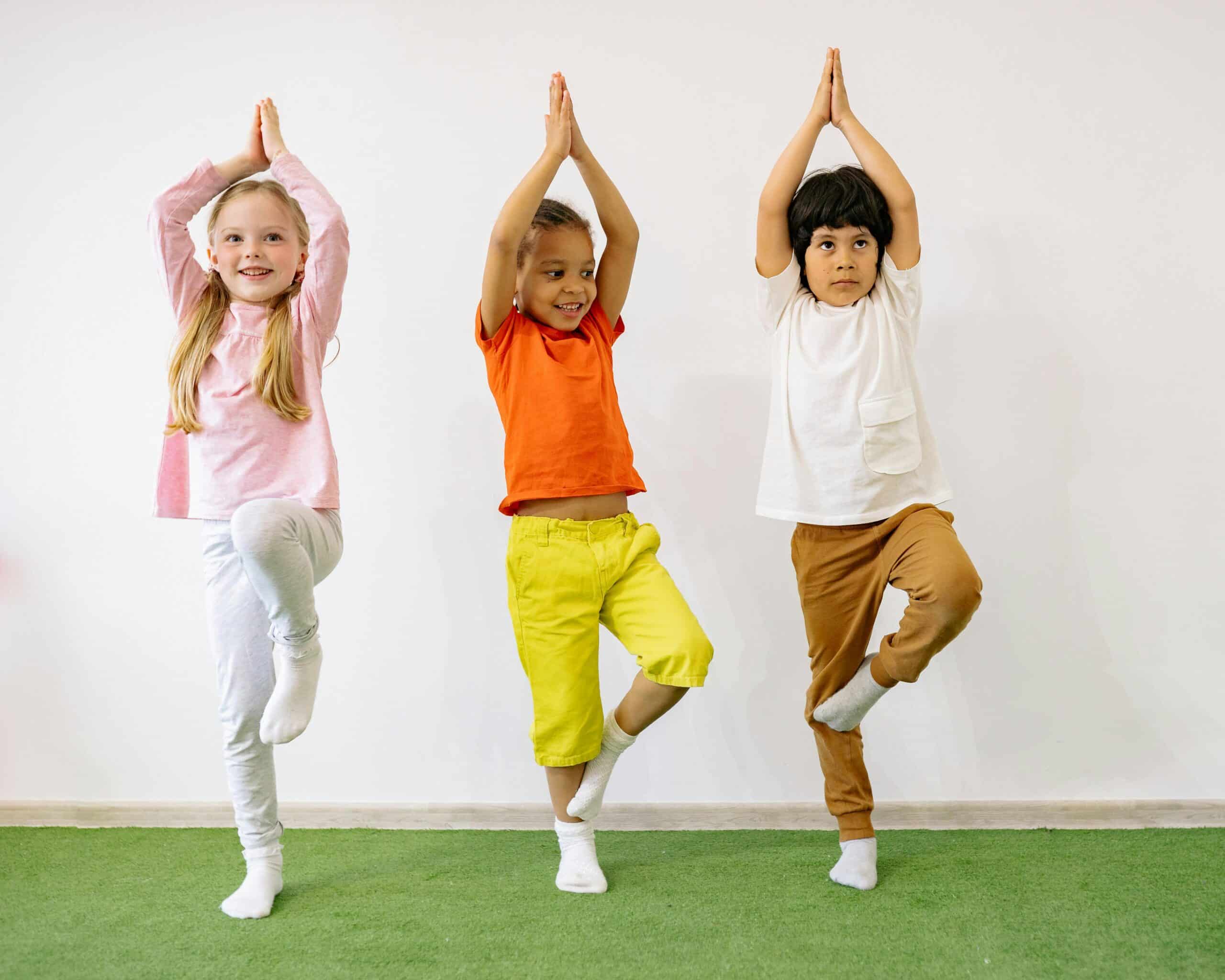
1. Single-Leg Balance
Also known as the Flamingo Stand! Standing on one leg works the hips, ankles, and core—aka the dream team for better movement.
- Have your child stand on one foot for 10-15 seconds (hold onto a chair for extra support if needed!).
- Want to make it trickier? Have them hold their hands above their head, reach for objects, or close their eyes for a challenge!
2. Sticky Toes Wall Press
This one’s a fan favorite! It helps wake up the muscles that lift the toes (which are key for walking and running without tripping!).
- Grab some playdough or sticky putty.
- Stick it on the wall and have your kiddo press into it using the top of their foot.
- Hold for a few seconds, then switch feet!
3. Toe Grabbing
Let’s turn those little piggies into strong, grippy toes! This game strengthens the foot muscles that help with control and balance.
- Scatter small objects (like pom-poms, socks, or cotton balls) on the floor.
- Challenge your child to pick them up using only their toes!
- Extra fun: See how many they can grab in 30 seconds!
4. Bridge Pose
Strong hips = better leg alignment! Bridge pose helps build that strength while also being a fun “building a bridge” game.
- Have your child lie on their back with their knees bent.
- Lift their hips up to make a bridge, hold for a few seconds, then lower down.
- Want to make it fun? Drive toy cars under the “bridge” while they hold the pose!
Stepping Forward
So, what’s the verdict? If your little one’s feet point inward but they’re not tripping often or feeling pain, you can let time work its magic. No need for fancy gear—just use what you’ve got and turn playtime into movement time! But if you’re seeing frequent falls, hearing complaints of pain, or noticing delays in movement, don’t wait—let’s take action! A quick visit to a pediatric PT can make a huge difference (and we promise, we make it fun!).
Let’s keep those little feet happy, strong, and moving in the right direction!
Need Additional Support?
At KinActive, we understand that every baby develops at their own pace, but we’re here to support you through every stage of your little one’s journey. If you have concerns about your baby’s motor development or are seeking guidance on encouraging more traditional crawling, we can help in a few ways.
- Take a masterclass. Best for parents needing professional guidance from the comfort of their own home.
- Book a Kamp. Best for parents with children experiencing atypical development.
- Book a virtual consultation with our clinic.
We offer comprehensive services designed to support your baby’s physical development, from structured therapy sessions to hands-on advice that you can implement at home. Contact us today to schedule a consultation and help your baby reach their full potential. And don’t forget to follow us on social media for more tips and information on your baby’s development!